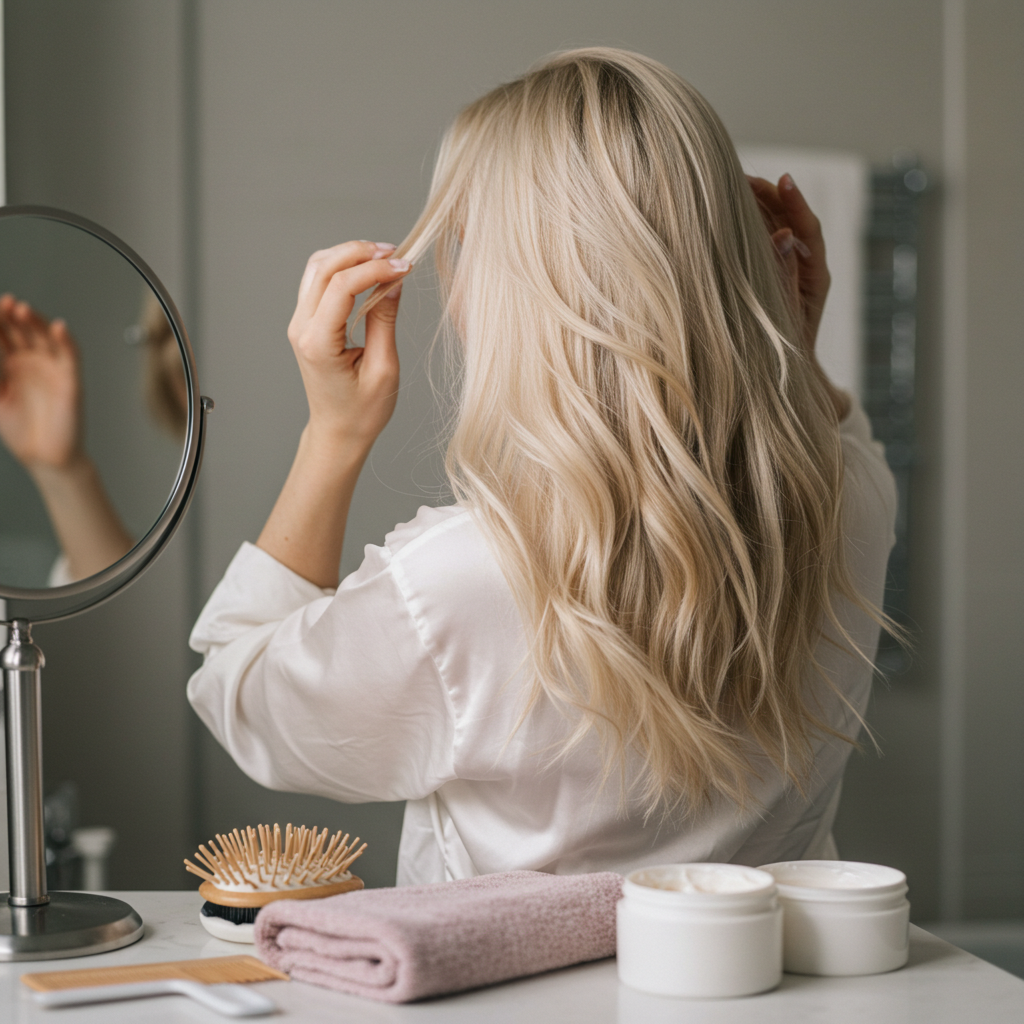
Mastering Moisture for High-Porosity Hair: A Science-Backed Guide
Moisture is key for healthy, resilient hair. High-porosity hair, often the result of chemical treatments, environmental stress, or physical wear, has an open, highly damaged cuticle structure that makes it easy for water to enter—but just as easy for it to escape [1-2]. These strands are fragile, prone to breakage, and often lack their natural shine.
This expert-backed guide is enriched with insights from a seasoned hair scientist and cosmetic formulator with a Ph.D. in Chemistry, ensuring you receive science-based, factual information rather than generic advice. Using this guide, you’ll understand the science behind each ingredient and how to practically apply it to your hair care routine.
Understanding Hair Porosity
Hair porosity is essentially a measure of how “leaky” your strands are. Imagine a house roof:
- Low porosity is like a tightly sealed roof that barely lets rain in.
- Medium porosity is like a roof with evenly placed shingles—balanced and functional.
- High porosity is like a roof full of missing shingles, with water pouring in easily but leaking out just as quickly.
In high-porosity hair, the cuticle layers are lifted or even missing, leaving the cortex exposed. This means hydration doesn’t last, and damage accumulates quickly [6].
What Causes High Porosity?
High porosity doesn’t happen overnight; it’s often the result of repeated stress on the hair fiber. Here are the most common culprits:
- Chemical Damage – Harsh processes like bleaching, coloring, and relaxers disrupt proteins, break disulfide bonds, and strip the cuticle.
- Heat Styling – Frequent use of flat irons, curling wands, and blow dryers can “melt” cuticles, leaving hair rough and porous.
- Environmental Wear – UV rays, saltwater, and wind gradually wear down the protective barrier.
- Physical Strain – Tight hairstyles, aggressive brushing, and even rough fabrics like cotton towels can scrape away cuticles.
The result? Hair that tangles easily, frizzes in humidity, breaks during simple brushing, and loses its natural gloss.
Adding Moisture to High-Porosity Hair
High-porosity hair is like a sponge with too many holes: it soaks up water instantly but can’t hold onto it. To keep these strands healthy, hydration must go deeper than a quick rinse. This means using a mix of humectants (to attract water), proteins (to repair), and emollients (to seal).
Recommended Moisturizing Ingredients for High-Porosity Hair
- Humectants – Glycerin, Propylene Glycol, Sorbitol, Betaine, Propanediol, PCA salts (sodium/zinc), sugars and derivatives.
- Proteins – Hydrolyzed Wheat Protein, Hydrolyzed Keratin, Hydrolyzed Milk Amino Acids.
- Emollients – Ceramides, Shea Butter, Mango Butter, Avocado Oil, Olive Oil, Coconut Oil, Sunflower Oil, Behenyl Alcohol, Cetyl Ester.
This cocktail of humectants plus emollients works like repairing a leaky roof: first, you patch the holes (proteins), then you lay a waterproof coating (oils and butters).
Helping Moisture Penetrate the Hair Shaft
It’s not enough to just apply a product, high-porosity hair needs a strategy to let the moisture soak in and stay there. Scientific studies show that time, temperature, and formulation all play roles in successful penetration [9].
Step-by-Step Method:
- Apply a moisturizing product and leave it on the hair.
- Monitor how your hair feels as it absorbs.
- Cover hair with a cap to reduce evaporation.
- Use gentle heat (like a hooded dryer) to help ingredients move into the cortex.
This mimics how heat helps skincare serums absorb better. Only here, the goal is to strengthen and hydrate hair from within.
Sealing Moisture: The Retention Phase
The hardest part for high-porosity hair isn’t getting moisture in, it’s keeping it in. Oils, ceramides, fatty waxes, and butters form a hydrophobic shield, slowing down water loss [10-12].
To maximize effectiveness:
- Rely on emulsion-based products first – Think conditioners, creams, and leave-ins. These already contain humectants like glycerin or propanediol blended with emollients to draw in and hold water.
- Seal with oils and butters second – Once you’ve applied your leave-in or cream, layer a small amount of oil or butter (like Shea, Olive, or Sunflower) on top. This step acts like putting a lid on a pot, keeping the hydration you just added from evaporating.
This “layer-to-layer” technique isn’t about buying separate humectants, it’s about using your moisturizing products as the first layer, then sealing them with a natural oil or butter as the second layer. Together, they “sandwich” hydration inside the strand, helping fragile high-porosity hair retain softness and elasticity for longer.
Finally, avoid habits that strip moisture: over-washing, rough drying, or exposing hair to extreme humidity changes. If cleansing is needed, a co-wash (conditioner-based wash) can be a gentler option that doesn’t undo your progress.
Why Proteins Are Essential for High-Porosity Hair
While proteins should be used carefully on low-porosity strands, high-porosity hair thrives on them. Proteins act like scaffolding for damaged fibers attaching to keratin sites, filling in gaps, and holding onto water molecules via hydrogen bonds [7-8, 13-14].
When used correctly, protein treatments can restore elasticity, reduce breakage, and improve moisture retention. They essentially patch up the “holes” in the hair shaft, allowing hydration to stay locked in for longer.
That said, balance is key. Too much protein can make hair stiff and brittle, while too little leaves it weak and overly soft. For most people with high-porosity strands, occasional protein treatments, rotated in with moisturizing care, are enough to maintain strength without tipping into overload.
Examples of protein products to look for on shelves:
- Reconstructor masks with hydrolyzed keratin (intense repair for weakened strands).
- Deep conditioners containing wheat or soy protein (restore elasticity and resilience).
- Leave-in sprays or creams with silk amino acids (add lightweight reinforcement without stiffness).
Building the Right Product Routine
The golden rule for high-porosity hair? Concentrated care. Because the cuticle is compromised, lightweight products alone aren’t enough; you need richer blends and frequent reinforcement.
Sample Routine for High-Porosity Hair [14]:
- Cleanse: Use a mild hydrating shampoo 1–2 times per week.
- Pre-Poo Treatment: Apply a moisturizing serum or light oil before shampooing to reduce the harshness of cleansing.
- Condition: Follow with a deep moisturizing rinse-out conditioner.
- Daily Hydration: Use a leave-in conditioner with natural oils and UV protection, applied gently with fingers or a wide-tooth comb.
- Weekly Mask: Apply a deep moisturizing or protein mask once per week, leaving it on for 10–20 minutes with gentle heat.
- Oil Therapy: Once a week, seal strands with nourishing oils like Shea Butter, Olive Oil, or Sunflower Oil.
This regimen helps replace lost proteins, reinforce hydration, and shield strands from further damage.
Final Thoughts
High-porosity hair is fragile but not hopeless. With the right science-backed approach, humectants to hydrate, proteins to repair, and emollients to seal, you can transform strands from rough and brittle to soft, shiny, and resilient.
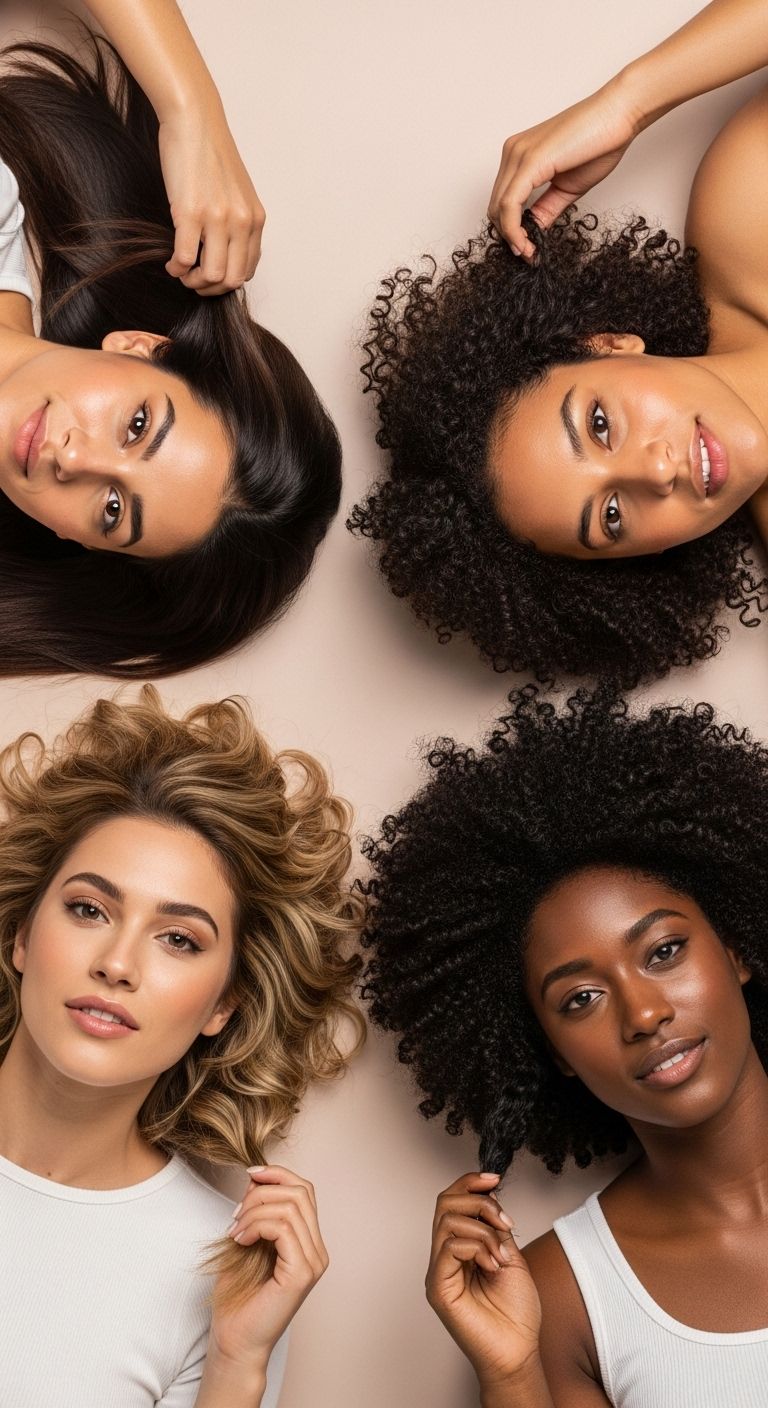
Whether your hair is straight, wavy, curly, or coily, porosity care ensures hydration isn’t wasted. Instead of fighting constant dryness and frizz, you’ll finally have hair that feels nourished and protected.
References
[1] Barba, C.; Méndez, S.; Martí, M.; Parra, J.; Coderch, L., Water content of hair and nails. Thermochimica Acta 2009, 494 (1-2), 136-140.
[2] Barba, C.; Martí, M.; Manich, A.; Carilla, J.; Parra, J.; Coderch, L., Water absorption/desorption of human hair and nails. Thermochimica Acta 2010, 503, 33-39.
[3] Robbins, C.; Kamath, Y., Hair breakage during combing. III. Journal of Cosmetic Science 2007, 58 (4), 477-484.
[4] Wortmann, F. J.; Quadflieg, J. M.; Wortmann, G., International Journal of Cosmetic Science 2022, 44 (4), 421-430.
[5] Schueller, R.; Romanowski, P., Conditioning Agents for Hair and Skin. Taylor & Francis: 1999.
[6] SYED, A. N.; AYOUB, H., Correlating porosity and tensile strength of chemically modified hair. Cosmetics and toiletries 2002, 117 (11), 57-64.
[7] Teglia, A.; Secchi, G., Proteins in cosmetics. COSMETIC SCIENCE AND TECHNOLOGY SERIES 1999, 391-464.
[8] Cruz, C. F.; Azoia, N. G.; Matamá, T.; Cavaco-Paulo, A., International journal of biological macromolecules 2017, 101, 805-814.
[9] Robbins, C.R., Chemical and Physical Behavior of Human Hair, 5th Edition, Springer, 2012.
[10] Lodén, M., Journal of Cosmetic Science 2003; 54(4): 325–338.
[11] Draelos, Z.D., Dermatologic Therapy, 2007; 20(5): 304–311.
[12] Robbins, C.R., International Journal of Cosmetic Science, 2001; 23(6): 321–329.
[13] Reddy, R., et al., Journal of Cosmetic Science, 2015; 66(2): 75–84.
[14] Kajiyama, S., et al., Cosmetics, 2018; 5(4): 58.