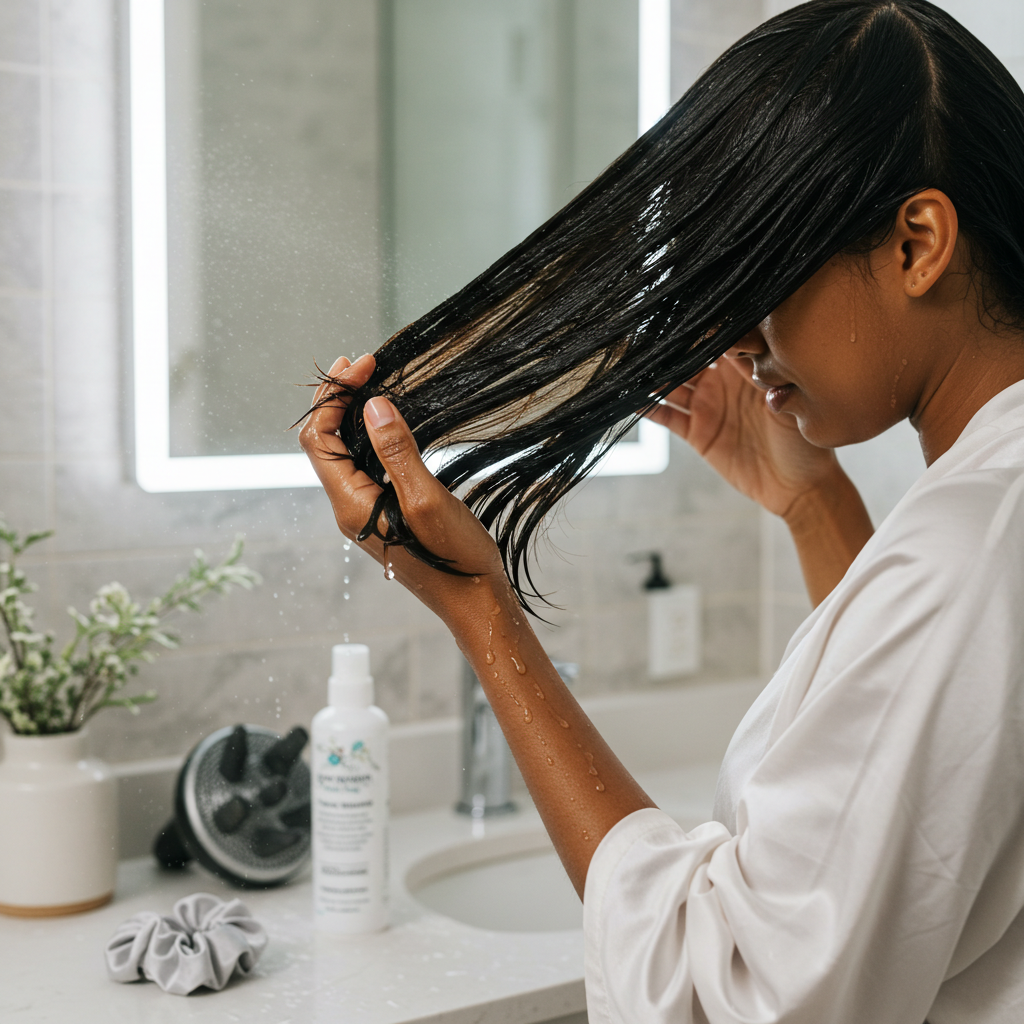
Mastering Moisture for Low-Porosity Hair: A Science-Backed Guide
Moisture is key for healthy, resilient hair. Low-porosity hair, typically virgin, natural, and chemically untreated, has a tightly bound cuticle structure that makes it difficult for water and treatments to penetrate [1]. These hair fibers are fine, small in diameter, and have a characteristic natural texture. Because of this, they are prone to buildup and may easily feel weighed down (“limp-down effect”) if moisturizing agents are too heavy [2].
This expert-backed guide is enriched with insights from a seasoned hair scientist and cosmetic formulator with a Ph.D. in Chemistry, ensuring you receive science-based, factual information rather than generic advice. Using this guide, you’ll understand the science behind each ingredient and how to practically apply it to your hair care routine.
Why Moisture Matters for Every Hair Type
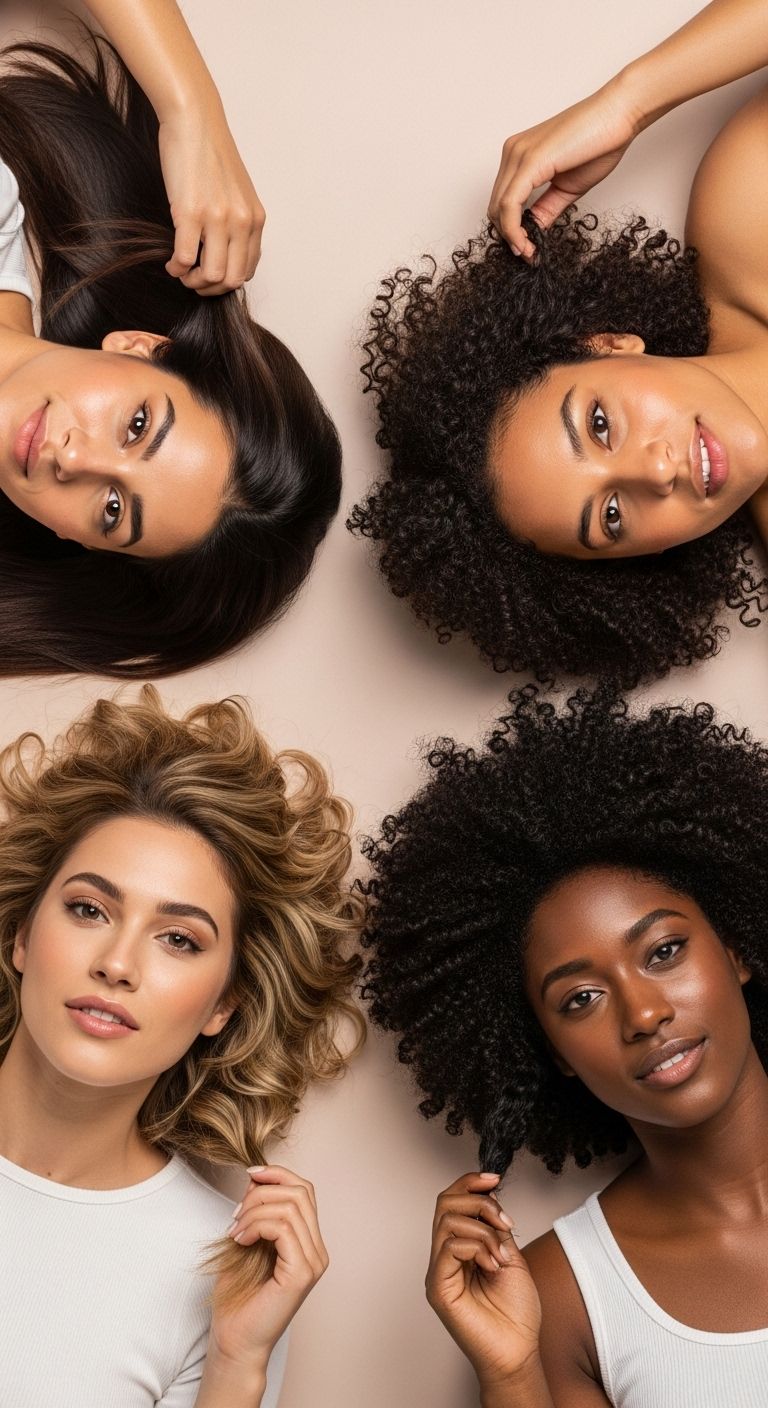
Think of hair like a sponge. A healthy sponge absorbs water and holds onto it. A damaged sponge leaks it out too quickly, while a tightly packed sponge (like low-porosity hair) hardly lets water in at all. For all hair types—straight, wavy, curly, or coily—excessive water loss leaves strands brittle, dull, and fragile [3-4].
That’s why moisturizers exist: to increase water content in the fibers, help it stay there, and maintain hair’s natural softness and shine [5]. But since not all hair is the same, moisture strategies must be tailored to porosity.
How to Add Moisture to Low-Porosity Hair
For low-porosity hair, the challenge isn’t just dryness; it’s the difficulty of getting moisture into the strand in the first place. Imagine trying to water a plant with soil that’s packed too tightly: the water tends to sit on top instead of soaking in.
There are two essential steps to hydration:
- Adding water molecules to the hair
- Preventing those water molecules from escaping
For step one, the right humectants (water-attracting ingredients) make all the difference. The best options for low-porosity hair are lightweight, water-soluble ingredients that won’t sit heavily on the surface.
Top Moisturizing Ingredients for Low-Porosity Hair
- Betaine – A natural, water-soluble molecule with high water-holding capacity.
- Propanediol – A multifunctional natural humectant that provides hydration without stickiness.
- Glycerin – A classic, cost-effective humectant that draws water into the hair fiber.
Should Low-Porosity Hair Avoid Heavy Oils and Butters?
Natural oils and butters act like a plastic wrap over food: they’re great for preventing water from escaping, but on low-porosity hair, applying too much is like wrapping an already sealed container. Instead of helping, it just creates buildup that weighs hair down and makes it look limp.
That doesn’t mean all oils and butters are off-limits. The key is using lighter, less greasy ones sparingly:
Recommended Oils & Butters for Low-Porosity Hair
- Coconut Oil
- Apricot Kernel Oil
- Meadowfoam Seed Oil
- Argan Oil
- Shea Butter
These options coat the strand just enough to seal in hydration without suffocating the cuticle.
Helping Moisture Penetrate the Hair Shaft
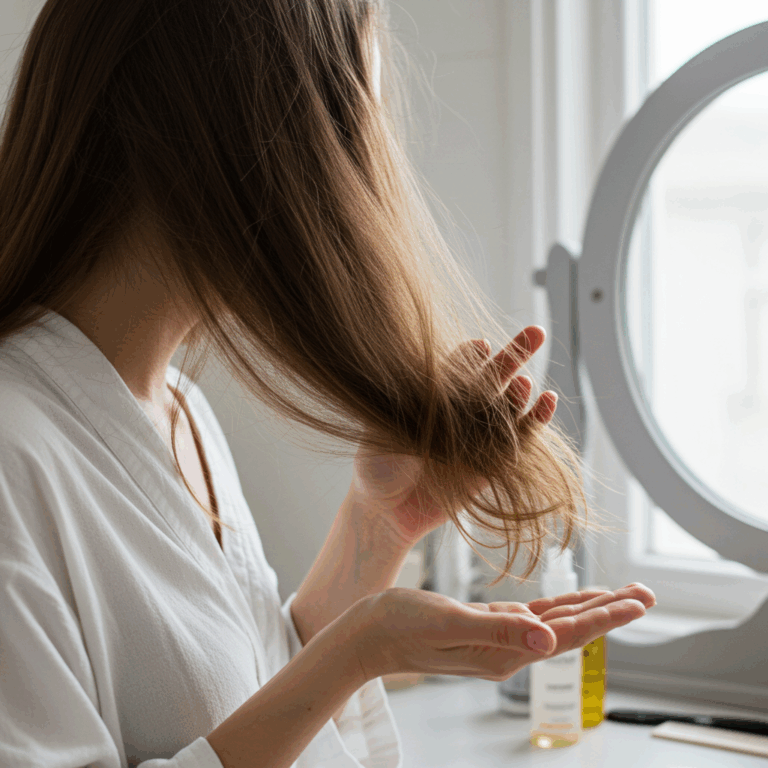
Low-porosity hair isn’t quick to “drink up” treatments, it prefers a slow infusion. To encourage penetration, think of applying skincare: leaving a hydrating mask on your face gives better results than rinsing it right away.
Step-by-Step Method [9]:
- Apply and leave a moisturizing product on the hair.
- Observe how the hair feels during the process.
- Cover hair with a cap to trap moisture.
- Optionally, apply gentle heat to open the cuticle slightly.
This combination allows humectants and oils to move past the surface and deliver hydration to the cortex, where it’s needed most.
Locking in the Moisture: The Retention Phase
Adding water is only half the battle; the bigger challenge is keeping it there. Once absorbed, water molecules should be sealed inside the fiber. Hydrophobic (water-repelling) ingredients like oils, ceramides, fatty waxes, and butters form a protective barrier [10-12].
To prevent hair from feeling greasy, these ingredients should ideally be part of emulsions (creamy formulations), which spread more evenly. Layering is another effective strategy: apply humectants first, then seal them with a light oil or butter. This “layer-to-layer” approach traps moisture inside, much like applying moisturizer followed by sunscreen in skincare.
Finally, avoid habits that strip moisture, such as frequent washing or exposing hair to extreme humidity. If cleansing is needed, a co-wash (conditioner-based wash) can help preserve hydration.
The Role of Proteins in Moisture Balance
Proteins aren’t just for strength, they’re also underrated moisturizers. Because their structure mimics natural keratin, proteins can attach to the strand and hold water molecules in place through hydrogen bonds [7-8]. This dual action supports elasticity and moisture retention.
For low-porosity hair, though, proteins must be used carefully. Think of them as scaffolding that reinforces weak spots. A little reinforcement keeps strands resilient, but too much can tip the balance, leaving hair stiff or overloaded.
What does this mean in practice? Instead of strong reconstructors or heavy two-step treatments, low-porosity hair benefits from lighter protein sources, products that contain smaller amounts of protein or gentler forms like hydrolyzed wheat, silk, or amino acids.
Examples of light protein products to look for on shelves:
- Leave-in conditioners with hydrolyzed wheat protein (adds strength without heaviness).
- Lightweight masks containing silk amino acids (boosts softness and flexibility).
- Everyday conditioners formulated with oat or rice protein (gentle, hydrating support for all hair types).
A “light” protein treatment should leave hair feeling soft and flexible, not stiff or crunchy. Think of it as a protein touch-up, a little reinforcement that supports hydration without overwhelming the strand. For most low-porosity hair types, using one of these treatments about every two weeks to once a month is enough to keep hair strong and balanced [13-14].
Building the Right Product Routine
Choosing products isn’t about grabbing the most popular conditioner on the shelf, it’s about understanding how your hair responds. For low-porosity hair, less is more. Start with lighter, diluted formulations and increase only if needed.
Sample Routine for Low-Porosity Hair [14]:
- Cleanse: Use a mild hydrating shampoo 1–2 times per week.
- Condition: Apply a moisturizing rinse-off conditioner immediately after washing.
- Daily Hydration: Use a soft, lightweight leave-in conditioner or styling lotion. Apply gently with fingers or a wide-tooth comb.
- Oil Therapy: Once a week, apply a light natural oil (e.g., Apricot Kernel Oil), leave overnight, and wash out in the morning.
- Protein Boost: Once every two weeks, use a gentle protein treatment to strengthen and hydrate.
Final Thoughts
Low-porosity hair is like a cautious sponge, it takes patience and the right technique to help it soak up moisture. With careful ingredient choices, light layering, and a gentle routine, all hair types (straight, wavy, curly, and coily) can maintain hydration without the dreaded buildup or limpness.
Science-backed strategies ensure that your hair isn’t just coated with product but genuinely hydrated from within leaving it stronger, shinier, and more resilient.
References
[1] Barba, C.; Méndez, S.; Martí, M.; Parra, J.; Coderch, L., Water content of hair and nails. Thermochimica Acta 2009, 494 (1-2), 136-140.
[2] Barba, C.; Martí, M.; Manich, A.; Carilla, J.; Parra, J.; Coderch, L., Water absorption/desorption of human hair and nails. Thermochimica Acta 2010, 503, 33-39.
[3] Robbins, C.; Kamath, Y., Hair breakage during combing. III. Journal of Cosmetic Science 2007, 58 (4), 477-484.
[4] Wortmann, F. J.; Quadflieg, J. M.; Wortmann, G., International Journal of Cosmetic Science 2022, 44 (4), 421-430.
[5] Schueller, R.; Romanowski, P., Conditioning Agents for Hair and Skin. Taylor & Francis: 1999.
[7] Teglia, A.; Secchi, G., Proteins in cosmetics. COSMETIC SCIENCE AND TECHNOLOGY SERIES 1999, 391-464.
[8] Cruz, C. F.; Azoia, N. G.; Matamá, T.; Cavaco-Paulo, A., International journal of biological macromolecules 2017, 101, 805-814.
[9] Robbins, C.R., Chemical and Physical Behavior of Human Hair, 5th Edition, Springer, 2012.
[10] Lodén, M., Journal of Cosmetic Science 2003; 54(4): 325–338.
[11] Draelos, Z.D., Dermatologic Therapy, 2007; 20(5): 304–311.
[12] Robbins, C.R., International Journal of Cosmetic Science, 2001; 23(6): 321–329.
[13] Reddy, R., et al., Journal of Cosmetic Science, 2015; 66(2): 75–84.
[14] Kajiyama, S., et al., Cosmetics, 2018; 5(4): 58.